“Yea, and All That Will Live Godly in Christ Jesus Shall Suffer Persecution” is a seven-stanza hymn-portrait of the underground, biblical church in places where following Christ is illegal and dangerous.
It begins with quiet, dawn gatherings of ordinary believers who share simple bread and water, meeting in secret because their faith has marked them for arrest. They draw strength from the same Scriptures that sustained Peter, Paul, and Daniel in prison and fire.
The poem traces their losses (homes, jobs, freedom, even life) and their strange gains: deeper joy, unbreakable unity, and a gospel that spreads faster the harder it is crushed. Like wheat that multiplies when ground, like seed that sprouts when buried, the persecuted church becomes more truly itself under pressure.
We see prisoners preaching to their guards, widows giving their last coins with laughter, teenagers smuggling pages of the Bible, and entire families refusing to bow to the state’s idols. Their love for enemies, their refusal to hate, and their calm certainty of resurrection confound their persecutors.
The closing stanzas lift the eyes forward: every empire that hates Christ will one day collapse like Babel. The same Jesus who had no place to lay His head will return with nail-scarred hands to gather His hidden, hunted flock. Until then, the church endures by Scripture alone, saved by Christ alone, kept by grace alone, clinging to the promise that faithfulness unto death receives the crown of life.
The poem is both lament and defiant celebration: persecution is normal, promised, and ultimately powerless against the church that belongs to the risen Lamb.
Beneath the radar of the watching state,
they meet at dawn before the soldiers wake,
a handful sharing bread upon a plate,
a cup of water for the Master’s sake.
No steeple marks the place, no bell is rung—
only the Word, alive on every tongue.
They read where Peter wrote from prison chains,
where Paul counted it joy to bear the scar;
they hear the Lord who stills the wind and reigns
though doors are locked and iron bars stand far.
Like Daniel in the den, like saints of old,
they trust the God who turns the fire cold.
Foxes have holes, the birds have nests, He said—
but not the Son of Man, and not His own;
so now they wander, refuge-less, instead
of bowing to the image on the throne.
They lose their homes, their jobs, their right to speak,
yet find the kingdom buried in the meek.
They are the remnant promised long ago,
the little flock the Father calls by name;
the bruised reed unbroken, the faint glow
that will not quench until the Day of flame.
The more the dragon rages, coils, and strikes,
the more the church becomes what Jesus likes.
See how they love the ones who drag them off,
how prisoners preach to guards inside the cell,
how widows give their last two coins and laugh
because the gospel cannot be withheld.
Their blood is seed; their silence shouts abroad—
the gates of hell shall never hold this squad.
O church of Scripture only, Christ alone,
by grace through faith, to God be glory still;
you walk the narrow road the world disowns,
yet every step fulfills the Father’s will.
The scroll is open, and the Lamb stands sure—
His wounded hands have made the triumph pure.
And when the kingdoms of this age collapse
like towers of Babel crumbling into sand,
the King will ride with lightning in His steps
and call His hidden ones with nail-scarred hand.
Then every secret prayer, each whispered verse,
will roar like thunder through the universe.
Until that morning, faithful, suffering bride,
keep holding fast the Word of life you read;
the world may scorn, imprison, and deride—
but Jesus lives, and He is coming with speed.
Your names are graven where no sword can reach,
sealed by the Spirit, kept beyond all breach.
Amen. Come, Lord Jesus. Even so—come.


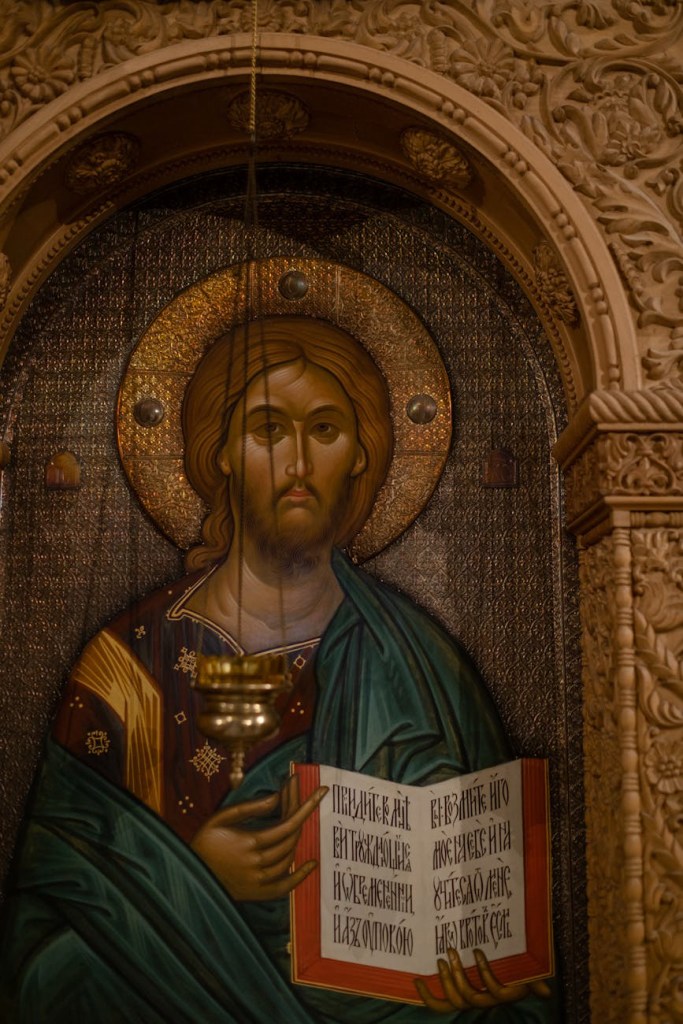
 Passionately Pursuing Christ