One Healing Word by Debbie Harris

Tags

, , , , , , , ,

The poem portrays healing as a gift of grace, achieved through a single word from Christ, triggered by the royal faith of prayer, which restores the sick with divine power.

When healing grace alone can mend the frail,
One word from Christ, and all is set aright,
A royal faith in prayer shall prevail,
The sick restored by Heaven’s boundless might.

Satan’s Fleeting Reign by Debbie Harris

Tags

, , , , , , ,

The poem depicts Satan, aware his time is short, unleashing demonic chaos upon the world. As his end nears, he frantically spreads disorder through his evil schemes.


Satan, the foe, sees his brief hour decay,
His time runs thin, a fleeting, cursed span,
With demons loosed, he breeds the world’s dismay,
Chaos unfurls by his infernal plan.

Righteous Wrath Arise by Debbie Harris

Tags

, , , , , , , , , ,

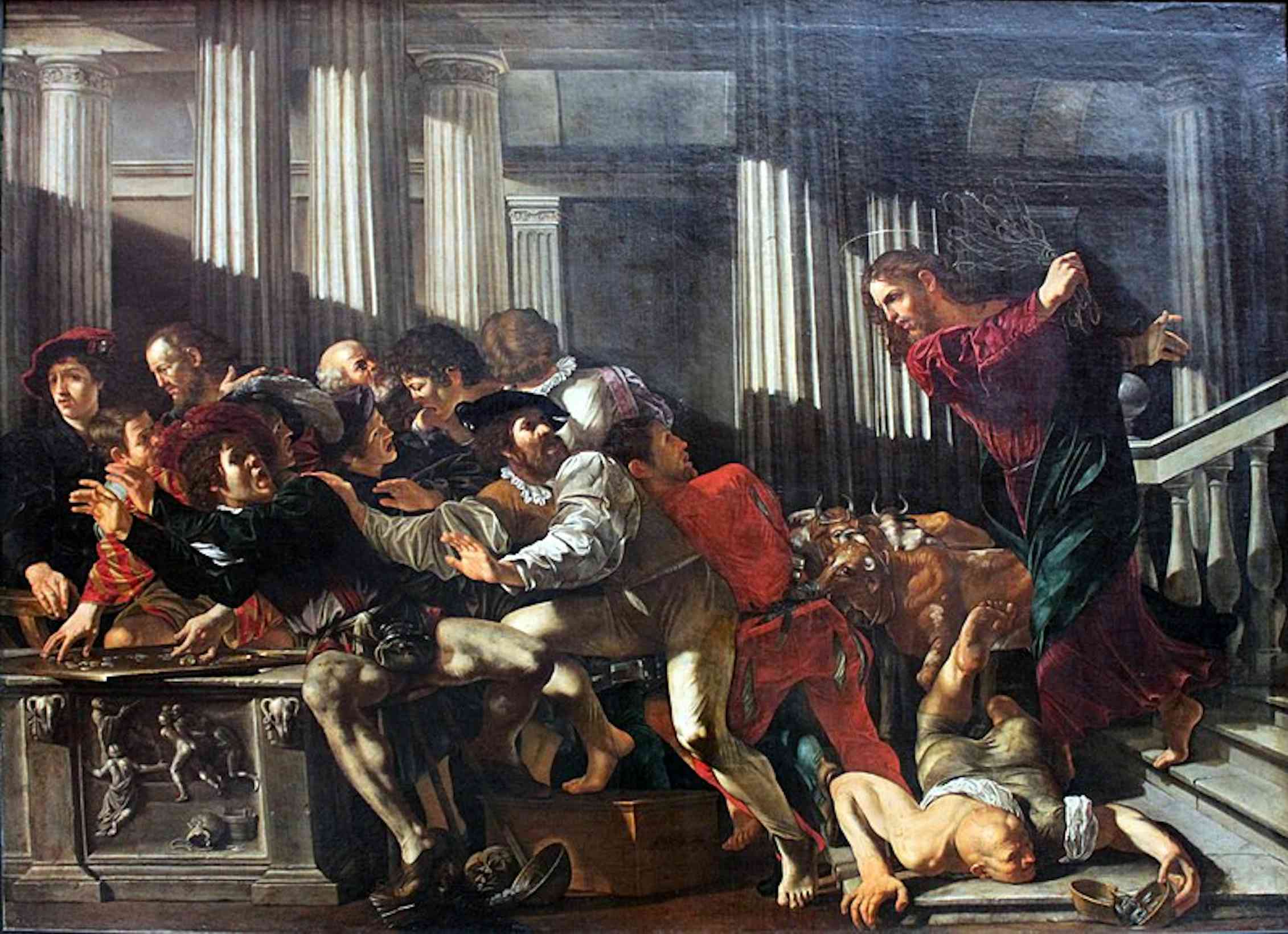
The poem captures Jesus’ zeal in overturning tables, showing a fierce stand against antisemitic sin. With righteous anger like Christ’s, it rejects festering hate, aiming to purge it in a bold, defiant act of moral clarity.


With zeal like Christ, I flip the tables high,
To cast out hate that festers dark and grim,
The antisemitic sin shall not abide,
In righteous wrath, I mirror Him.

The Abominable Sin Of Antisemitism by Debbie Harris

Tags

, , , , , , ,

The poem celebrates the Jewish people as precious to God, enduring through ages of disdain, while condemning antisemitism as a heinous, abominable sin born of demonic hatred. This evil defies God’s covenant with His chosen, yet through Christ’s blood and sacrifice, salvation redeems them, forging an unbreakable bond. The cross triumphs over malice, uniting God’s people with the Son in eternal light, and calls all to reject this vile sin.


The Jewish kin, so precious in His sight,
Endured through ages shadowed by disdain,
Yet demons stir an antisemitic blight,
A heinous sin that stains the soul with pain.
Abominable hate, from hell’s dark core,
Defies the Lord who called them as His own,
Through Christ’s dear blood, salvation’s gift they bore,
A covenant in flesh and spirit sown.
No force of evil rends this holy tie,
For grace redeems what malice seeks to mar,
The cross stands firm, where love will never die,
A light to guide both near and wandering far.
So let us rise, this vile affront to shun,
In Christ, God’s chosen shine as one with Son.

Salvation Through Jesus Christ Our Lord Is The Gift Of All Gifts by Debbie Harris

Tags

, , , , ,

The poem portrays a chaotic world redeemed by Christ’s sacrifice on the cross, where His blood grants salvation—the ultimate gift surpassing all others. This divine grace transforms the soul, awakening it to a new life and binding it eternally to God, a bond secured through Jesus’ suffering and love, offering hope and unity with the divine.


The world in tumult spins through darkened days,
Yet from the cross, a sacred gift unfurls,
Christ’s blood pours forth in pure, redeeming rays,
Salvation shines, the crown of Heaven’s pearls.
All lesser boons dissolve before this grace,
A new creation springs from death’s defeat,
The soul awakes to see its Savior’s face,
Through love divine, we’re bound to God complete.
No earthly power rivals what He gives,
This gift of all, by thorn and nail secured,
In crimson streams, the hope of mankind lives,
A bond eternal, steadfast and assured.
So cast off sin, embrace His holy rod,
For through salvation, we are one with God.

The Singular Path To Redemption by Debbie Harris

Tags

, , , , , , , , ,

The sonnet explores the exclusivity of the gospel, presenting it as a singular, unwavering path to salvation through Jesus Christ. Amid a world of competing voices and diverse roads, the poem asserts that only one name and one way—Christ’s—offers true redemption. Though this narrow claim faces scorn for its perceived rigidity, the poem reveals a deeper grace within it: a bold, divine love that illuminates the darkness and leads to eternal peace for those who follow.

Through Christ Alone
Amid the voices clamoring for sway,
A single path emerges, sharp and clear,
Through shadowed vales where lost souls seek their way,
One name alone resounds for hearts to hear.
The world delights in roads of varied hue,
Each promising a summit of its own,
Yet steadfast stands the gospel’s narrow view,
A gate through which the Savior’s light is shown.
What scorn it draws from minds that crave no bound,
What whispers call it harsh, unyielding, cold—
But in its claim a deeper grace is found,
A love that pierced the dark with truth so bold.
For though the way be lone, its end is sure,
In Christ, the heart finds peace forever pure.

A Time To Speak, A Time To Rend by Debbie Harris

Tags

, , , , ,

“A Time to Speak, A Time to Rend”:

The poem explores the biblical concept of speaking truth in love as a precious treasure, drawing from Ephesians 4:15. It highlights the delicate balance of delivering truth with gentleness to heal, yet acknowledges moments, inspired by Ecclesiastes 3, where brutal honesty becomes necessary. This sharper truth, though painful, cuts through denial or decay to awaken and restore. The sonnet presents truth as a dual force—tender and loving at times, fierce and wounding when needed—ultimately a divine gift that serves both mercy and justice!

A treasure rare, from sacred wellsprings drawn,
The truth in love, a gentle balm to give,
Yet times arise, beneath a shadowed dawn,
When candor’s edge must cut to make us live.

For love alone may cloak what must be seen,
A softened veil o’er rot that festers deep,
Then brutal honesty, though sharp, serene,
Awakes the soul from slumber’s coward sleep.

Ephesians bids us speak with grace in view,
Yet Ecclesiastes knows the seasons’ turn,
A time to rend, to pierce the heart straight through,
When fire of truth must blaze, and bridges burn.

This priceless gift, both tender and severe,
Doth heal through love—or wound, when truth is near.

Rare Royalty by Debbie Harris

Tags

, , , , , , , ,

The poem depicts a rare group of Spirit-led royal souls, surrounded by a vivid lavender mist and a golden stream, who feast on God’s word. Through their humble act of esteeming each other better than themselves, they glorify God.


A lavish lavender mist unfurls its gleam,
Royal souls, so rare, Spirit-led, ablaze,
Feasting on God’s word by a golden stream,
Esteeming each other, God’s glory they raise.

The Gentle Blade Of Truth Amid The Storm by Debbie Harris

Tags

, , ,

q0The poem explores the conflict of standing for truth: while it invites accusations of judgment and unkindness from the world, speaking truth is framed as an act of kindness—sharp yet healing, like a surgeon’s blade. It argues that true compassion lies in confronting lies with honesty, not silence, and that a heart motivated by love can endure scorn to mend what’s broken. The sonnet resolves this tension by suggesting that truth, delivered with care, holds redemptive power despite the storm of criticism it may provoke.


When truth uprises bold within the soul,
And bids the tongue to speak what must be known,
The world, in haste, assigns a judging role,
Decries the voice as cold, unkindly grown.
Yet kindness dwells in words that pierce the haze,
A surgeon’s blade to cut where lies entwine,
For silence cloaks the rot of darker days,
While truth, though sharp, seeks light by pure design.
The heart that dares to stand, though scorned, may mend,
Through love, not pride, its motive softly sings—
A paradox where mercy’s hand extends,
To heal with honesty, not break with stings.
So let us speak, though judged, with care unfurled,
For truth, in kindness wrought, redeems the world.

Voices Of The Cross Prevail by Debbie Harris

Tags

, , , , ,

The poem portrays Jesus as both compassionate and fiercely just, overturning tables in the temple and condemning hypocrites as “whitewashed tombs” to confront corruption head-on. It questions whether silence should persist in the face of evil or if, like Christ, the bold must speak out. The timid falter, but truth requires courage. The sonnet culminates in the idea that when warriors of Christ actively defend their faith, justice triumphs, and evil is defeated.


The gentle hand that soothed the frail and meek,
In fury turned the merchants’ tables o’er,
Where sin had crept, defiling what was weak,
A righteous storm restored the sacred floor.
“Whitewashed tombs!” he named the pious frauds,
Their hollow words a veil for hearts of stone,
No meek rebuke, but thunder ’gainst their lauds,
He tore the mask and claimed what was his own.
Shall silence reign when evil lifts its head?
Or must the bold, like Christ, defy the lie?
The meek may shrink, by fear and doubt misled,
Yet truth demands the brave to rise and cry.
When warriors of Christ the cross defend,
Then justice reigns, and evil meets its end.