The poem depicts a rare group of Spirit-led royal souls, surrounded by a vivid lavender mist and a golden stream, who feast on God’s word. Through their humble act of esteeming each other better than themselves, they glorify God.
A lavish lavender mist unfurls its gleam, Royal souls, so rare, Spirit-led, ablaze, Feasting on God’s word by a golden stream, Esteeming each other, God’s glory they raise.
q0The poem explores the conflict of standing for truth: while it invites accusations of judgment and unkindness from the world, speaking truth is framed as an act of kindness—sharp yet healing, like a surgeon’s blade. It argues that true compassion lies in confronting lies with honesty, not silence, and that a heart motivated by love can endure scorn to mend what’s broken. The sonnet resolves this tension by suggesting that truth, delivered with care, holds redemptive power despite the storm of criticism it may provoke.
When truth uprises bold within the soul, And bids the tongue to speak what must be known, The world, in haste, assigns a judging role, Decries the voice as cold, unkindly grown. Yet kindness dwells in words that pierce the haze, A surgeon’s blade to cut where lies entwine, For silence cloaks the rot of darker days, While truth, though sharp, seeks light by pure design. The heart that dares to stand, though scorned, may mend, Through love, not pride, its motive softly sings— A paradox where mercy’s hand extends, To heal with honesty, not break with stings. So let us speak, though judged, with care unfurled, For truth, in kindness wrought, redeems the world.
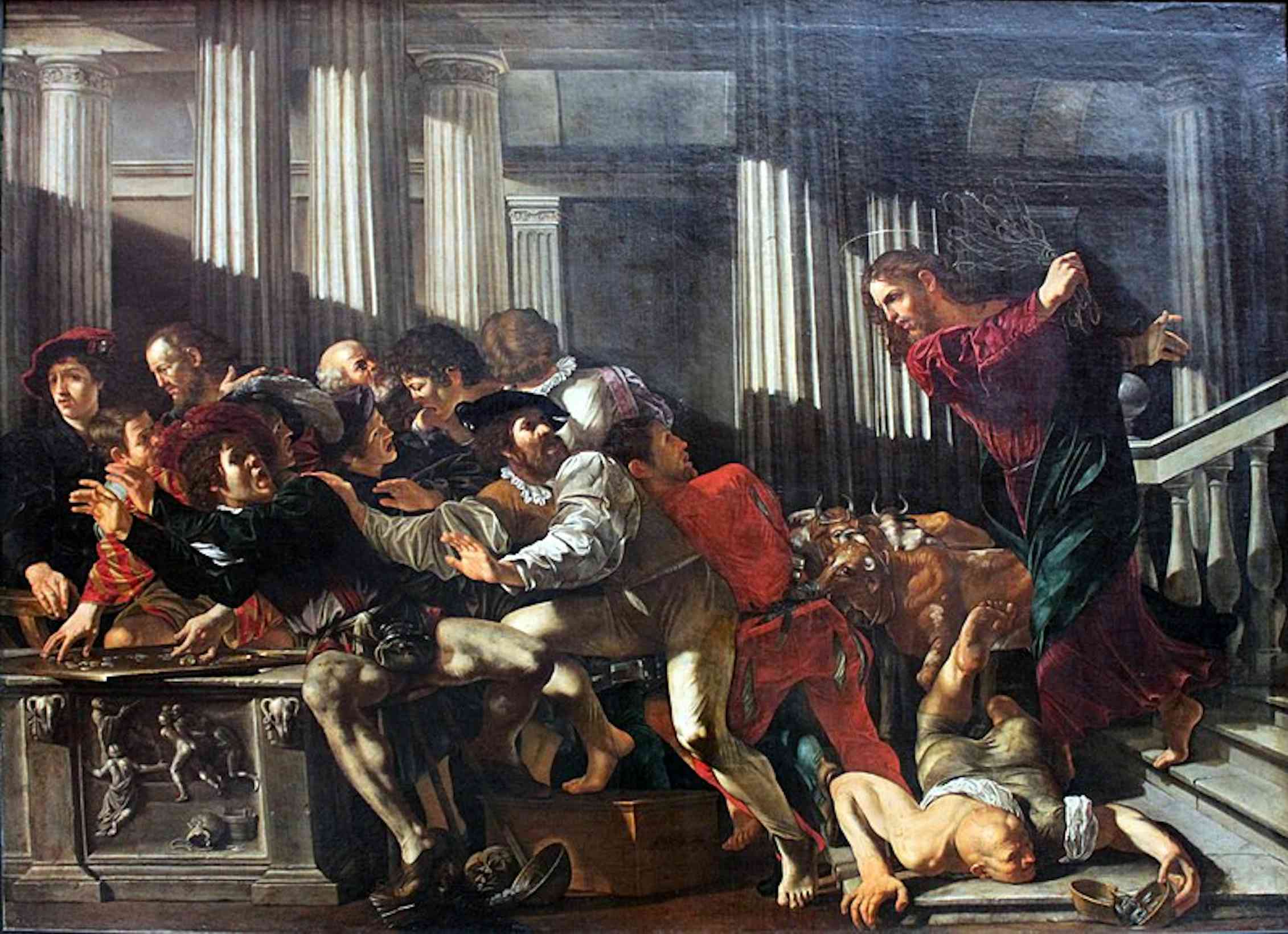
The poem portrays Jesus as both compassionate and fiercely just, overturning tables in the temple and condemning hypocrites as “whitewashed tombs” to confront corruption head-on. It questions whether silence should persist in the face of evil or if, like Christ, the bold must speak out. The timid falter, but truth requires courage. The sonnet culminates in the idea that when warriors of Christ actively defend their faith, justice triumphs, and evil is defeated.
The gentle hand that soothed the frail and meek, In fury turned the merchants’ tables o’er, Where sin had crept, defiling what was weak, A righteous storm restored the sacred floor. “Whitewashed tombs!” he named the pious frauds, Their hollow words a veil for hearts of stone, No meek rebuke, but thunder ’gainst their lauds, He tore the mask and claimed what was his own. Shall silence reign when evil lifts its head? Or must the bold, like Christ, defy the lie? The meek may shrink, by fear and doubt misled, Yet truth demands the brave to rise and cry. When warriors of Christ the cross defend, Then justice reigns, and evil meets its end.
The sonnet “The Eagle’s Ascent on Wings of Sacred Strength” poetically reflects Isaiah 40:31, portraying those who wait on the Lord as recipients of divine renewal. Beneath a vast sky, they offer patient prayers to Christ, their strength restored to rise like eagles on resilient wings. With quiet faith, they ascend beyond earthly struggles, running tirelessly and walking without weakness through life’s challenges. Rich with alliteration, the poem celebrates the enduring power and grace granted by God, culminating in an eternal uplift for the steadfast.
Beneath the boundless blue, they bide their time, With patient pleas to Christ, the sovereign Lord, Their weary wills, renewed by strength sublime, Shall soar on sturdy wings that storms afford.
In quiet trust, they lean on holy might, Their souls, uplifted, pierce the peaceful sky, With fearless flight, they cleave the daunting height, And rise refreshed where mortal cares deny.
Relentless, they shall run through rugged lands, Not faltering, nor faint, their footsteps free, With wondrous power from His guiding hands, They’ll wander wide, defying frailty’s plea.
For those who wait, His grace shall gently lift, A steadfast, sacred, everlasting gift.
The limerick “The Blueberry’s Plump Symphony” celebrates the beauty of a blueberry, one of Christ’s creations, through vivid onomatopoeia. It describes a plump, blue berry that grows impressively, bursting with a pop when bitten. The juicy squelch delights the senses, culminating in a vibrant zing that creates a joyful, musical sensation, reflecting the wonder of divine craftsmanship.
There once was a blueberry so blue, With a plump that just grew and grew, It went pop in my mouth, Sent a squelch to the south, And its zing sang a sweet hullabaloo!
The poem, “The Gift of Another Day to Serve the Lord”, portrays sunrise and sunset as sacred moments to honor God. Dawn sparks joyful praise and a connection to His presence, while dusk brings grateful reflection for a day lived in faith. It frames each day as a divine gift for worship and service.
At sunrise, golden praise ascends anew, Each dawn a hymn to greet the Lord’s embrace, At sunset, twilight whispers gratitude, A day well-lived within His boundless grace.
The poem, titled “Hallowed Journey in Inerrant Scripture”, conveys a message of spiritual assurance and purposeful faith. It describes a journey through sacred, infallible scriptures that guide believers with their unwavering truth. The poem emphasizes moving forward with hope, culminating in a state of divine grace where the faithful find their resting place. Each line reinforces the theme of trust in holy texts and the uplifting promise they offer.
Through hallowed scriptures, pure and true, Inerrant words our faith does guide, With hopeful steps we roam anew, In heavenly grace where we abide.
This quatrain compares every poem to a flower crafted by Christ, portraying poetry as a divine and beautiful creation. It highlights the sacredness of the art form, likening its unfolding imagery to petals graced by Christ’s touch, blending creativity with spiritual depth and heartfelt expressed devotion.
Each poem blooms, a sacred art, Like flowers shaped by Christ’s own hand, Petals soft with grace expand, A beauty born from heaven’s heart!
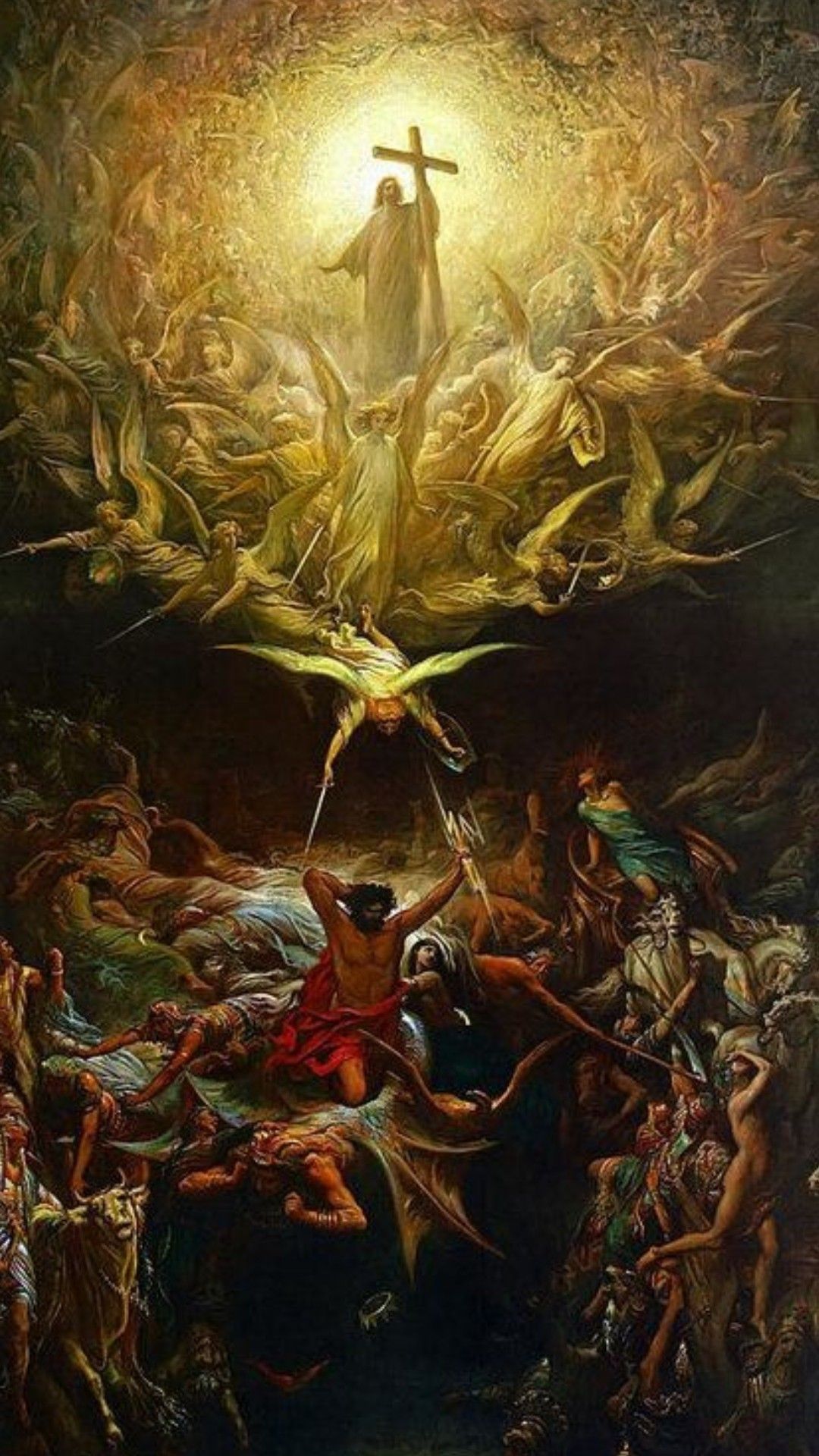
The sonnet “Christ’s Radiant Triumph” portrays a spiritual battle where the enemy (Satan) employs lies, death, and destruction to ensnare and ruin the soul, casting shadows over the love and grace of Jesus. Yet, amidst this darkness, Christ’s radiant light emerges as a powerful force, breaking through the enemy’s schemes with truth and transforming despair into joy. The poem culminates in a call to stand firm under Christ’s holy reign, rising in victory with the assurance that Satan’s power is defeated, celebrating the ultimate triumph of divine light and love over evil.
The enemy with cunning whispers lies, To weave a web of doubt within the soul, His words, like venom, bid the heart to die, And tear apart what once was pure and whole. With killing hands, he strikes at peace’s core, A shadow cast where Jesus’ love had grown, Destruction follows, ruthless evermore, To dim the grace that once so brightly shone. But Christ’s radiant light arises strong, A flame of truth to shatter every ploy, It breaks the dark where malice lingered long, And turns despair to everlasting joy. So stand, my friend, beneath His holy reign, And rise triumphant, for Satan’s might is slain.
The poem, titled “Jesus Christ, Crescendo of Hope,” is an ode that celebrates the divine hope and grace found exclusively in Jesus Christ, presented as the ultimate “gift of all gifts.” Through a series of adjectives beginning with “g”—gleaming, glittering, gorgeous, grandiose, gallant, gargantuan, godlike, and graceious—the poem builds a crescendo effect, starting with subtle whispers of light in the soul and rising to an exultant proclamation of eternal glory. It concludes by affirming that this boundless hope and radiant love are granted solely through Jesus Christ, our Lord, illuminating the human spirit forever.
Gleaming softly in the soul’s quiet deep, Glittering boldly where shadows creep, Gorgeous beams of mercy unwind, Grandiose visions lift the mind, Gallant love in triumph reigns, Gargantuan hope breaks all chains, Godlike glory crowns the skies— Graceious light that never dies, Granted solely through the One, Jesus Christ, our Lord, the Son, Gift of all gifts, pure and free, Glowing for eternity.







 Passionately Pursuing Christ