
Tags
Biblical Truth, Christ Centered Devotionals, Christian Poetry, Inpirational, Inspirational, Royally Redeemed
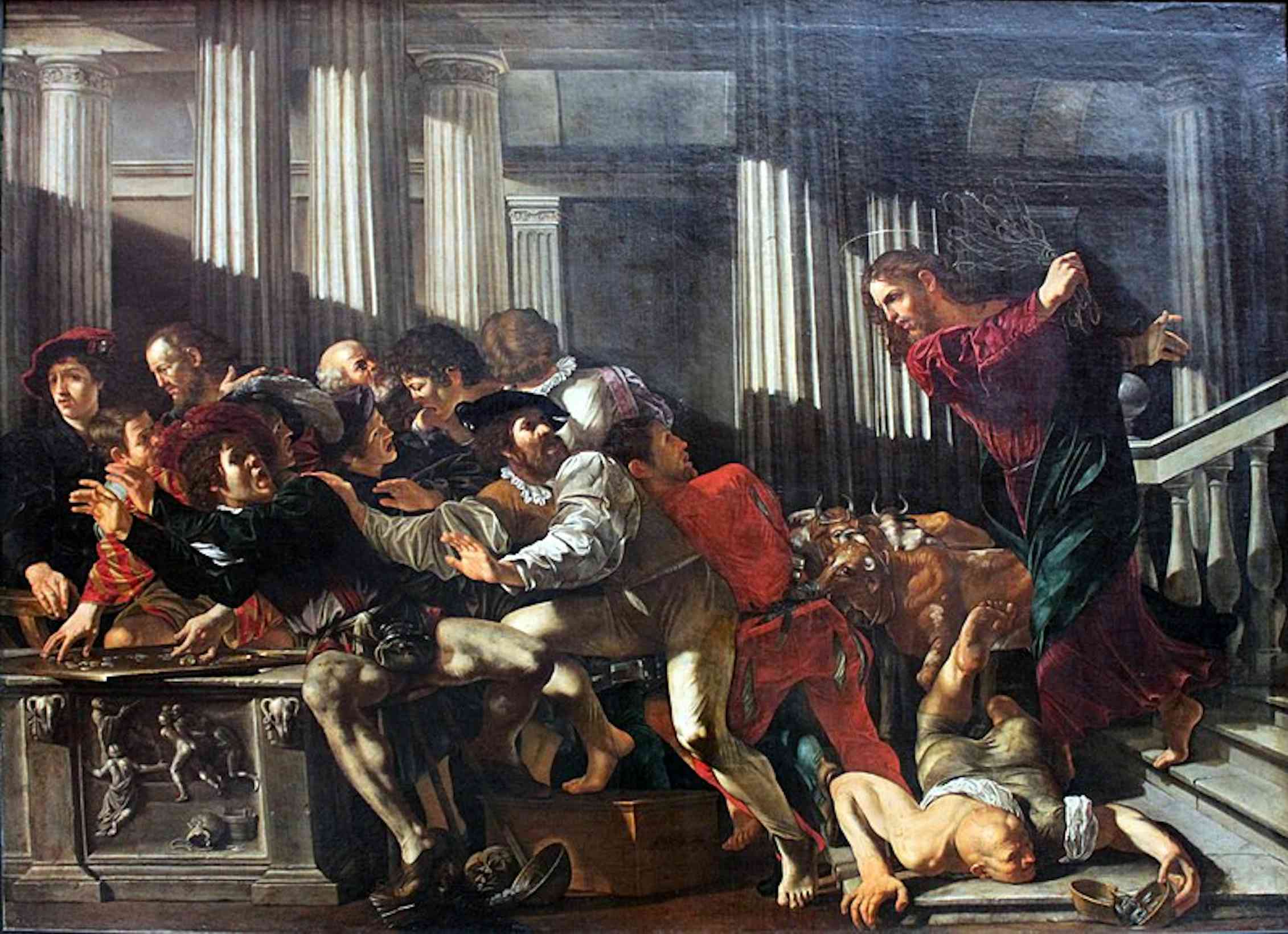
The poem portrays Jesus as both compassionate and fiercely just, overturning tables in the temple and condemning hypocrites as “whitewashed tombs” to confront corruption head-on. It questions whether silence should persist in the face of evil or if, like Christ, the bold must speak out. The timid falter, but truth requires courage. The sonnet culminates in the idea that when warriors of Christ actively defend their faith, justice triumphs, and evil is defeated.
The gentle hand that soothed the frail and meek,
In fury turned the merchants’ tables o’er,
Where sin had crept, defiling what was weak,
A righteous storm restored the sacred floor.
“Whitewashed tombs!” he named the pious frauds,
Their hollow words a veil for hearts of stone,
No meek rebuke, but thunder ’gainst their lauds,
He tore the mask and claimed what was his own.
Shall silence reign when evil lifts its head?
Or must the bold, like Christ, defy the lie?
The meek may shrink, by fear and doubt misled,
Yet truth demands the brave to rise and cry.
When warriors of Christ the cross defend,
Then justice reigns, and evil meets its end.
 Passionately Pursuing Christ